Sermon: Who Belongs?
Galatians 1:13-17; 2:11-14
Who gets to belong — in any given group of people? Is it everyone? Or only certain people “our kind”? And what do people have to do to belong? What behaviors are expected of them? These kinds of questions are perennial. Anytime a group of humans comes together — even if it’s a friendship group — these kinds of questions appear. In her wonderful book, The Art of Radical Listening, Pat talks about how our critter brains are always on alert, “deciding any given moment whether we are safe.” So, we’re always, often unconsciously, scanning to see how we fit in, belong, with the people we’re with. She quotes a man named Carl Bucheit, who says our brains are always asking: “Am I with like kind? And do I like the kind I’m with?” (page 102)
Needless to say, the church is one of those groups that has had many debates about who belongs and what they have to do to belong. That whole tired question of whether LGBTQ people belong in the church and how they have to behave to belong has been a painful reality for many of us.
The debate we’re going to be looking at today takes place within the first decade or so after Jesus’ death and resurrection — so since the very beginning of the church. As Joanna said last Sunday, Jewish followers of Jesus have spread out over the entire Mediterranean basin with their message about the good news of Jesus Christ. The leaders of this movement are largely Jewish, but many of the new converts are Gentiles. This poses a conundrum because Gentiles don’t keep Jewish law. And so, the question of whether— in particular — Gentiles need to be circumcised and follow dietary laws begins to loom large.
Let’s recall the importance of the law because it’s been really easy for Christians to dismiss it, to denigrate it as just unnecessary legalism that Jesus came to abolish. That’s not true. And because we are nearing the end of our narrative lectionary arc (Pentecost will be the last day), I want to do a quick review of this story of the Bible so that we can understand the central place of the law within it.
- We are earth creatures, given sacred limits as we serve the earth. But we violated these limits and entered into wrong relationship with the Creator, creation and each other.
- The Creator’s “healing strategy” to address this mess was to choose one family — that of Abraham and Sarah and Hagar — to be a blessing to all the families of the earth by demonstrating how to live in right relationship with the Creator, creation and each other.
- The chosen family, now numerous, become enslaved in Egypt. God sides with these oppressed people and frees them from slavery.
- In the wilderness, where they have gone following their liberation from Egypt, God establishes a sacred covenant with the people. God says: Out of all the peoples of the earth, you will be my people, my special treasure, if you keep my covenant. I will bless you and you will be a blessing to all the families of the earth.
- As part of the covenant, God gives them the law. The purpose of law was to provide the political, economic, and ritual building blocks for the freed slaves so that they could create a society based in right relationship with God, creation and each other — and thus serves as a blessing to all the families of the earth.
So, the law is important to Jewish people for really good reasons. And it’s not hard to understand why all of these Gentiles who don’t follow Jewish law pose a real problem. What to do? Do Gentiles need to follow Jewish law to belong or not? So, the Jewish leaders of this movement get together and call what came to be known as the Jerusalem Conference, which we heard about last week. They debate and eventually decide that Gentiles don’t need to be circumcised and also don’t need to follow Jewish dietary laws. As Joanna said last week:
Their decision to be inclusive in Acts 15 flew in the face of the (Roman) empire’s age-old strategy to divide and conquer colonized people or demand unity through conformity. As dispossessed people in the empire, they were claiming unity across difference.
So, we all know that when a group of folks get together and decide something, that’s it, right? Everyone just does what was decided, and the decision is never revisited or questioned or undermined ever again. Of course that doesn’t happen. Paul — who has founded many of the largely Gentile churches around the Mediterranean basin — finds out that some of the Jewish folks in the churches in Galatia aren’t dining with Gentiles and he doesn’t like this one bit. There are likely many reasons why this is happening. For one thing, the Jewish followers of Jesus who follow dietary laws can’t easily sit down and eat with Gentile people who don’t follow dietary laws. I was going to say that it’s a bit like vegans and folks on the paleo diet trying to eat the same meal but it’s actually way more culturally and religious complex than that. It’s a significant barrier to what’s called table fellowship.
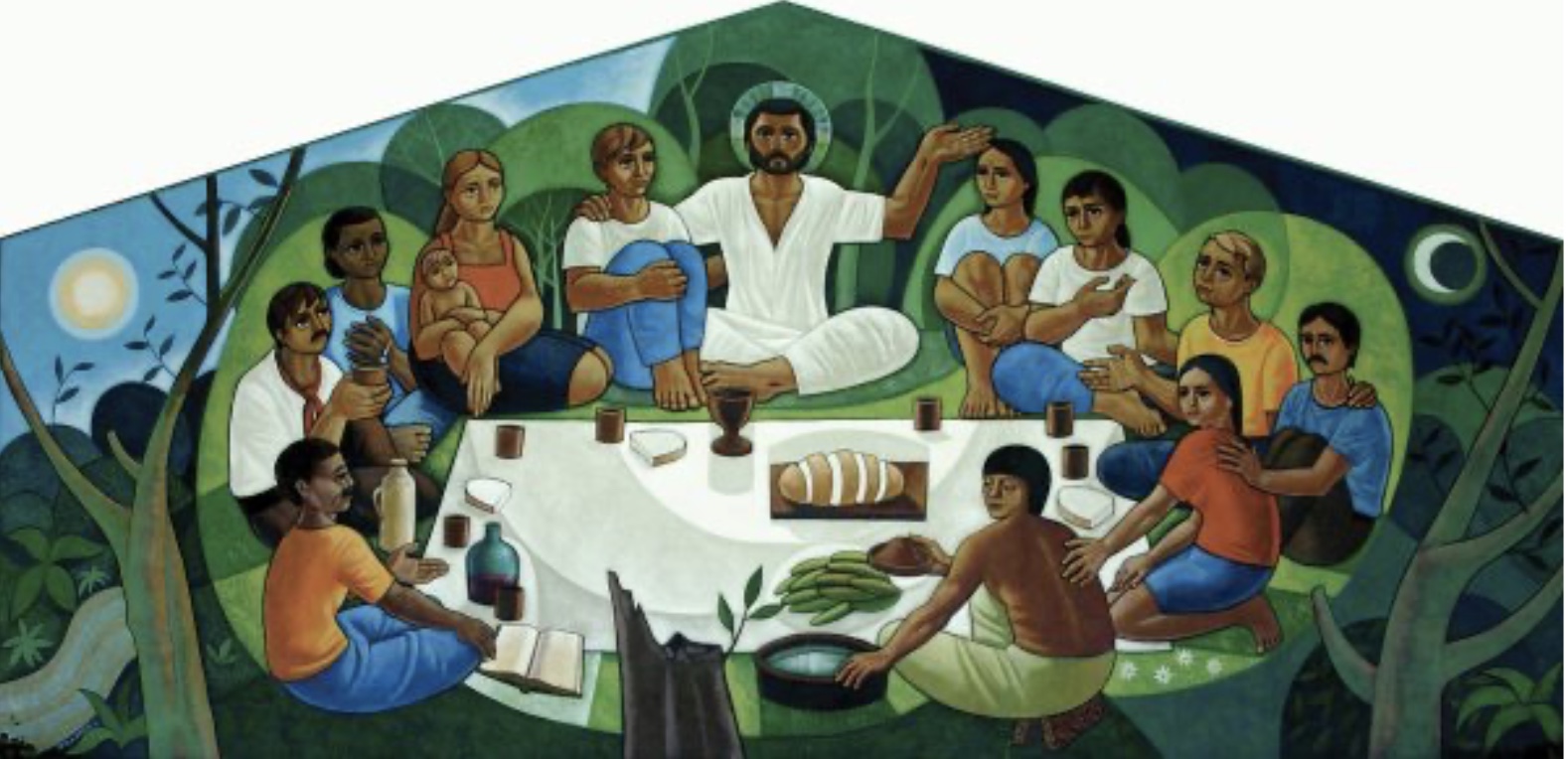
But table fellowship — sitting down to a meal together — is very important to this growing multi-class, multicultural community because it was a hallmark of Jesus’ ministry and message. Eating with anyone regardless of their status or ethnicity was extremely countercultural. Jesus’ table fellowship was radical because it defied social hierarchies by openly welcoming and sharing meals with individuals deemed “unclean” or “sinners,” including tax collectors, prostitutes, and the marginalized. This act of inclusive fellowship broke down walls that separated people and created a space of acceptance and belonging for those who were often excluded.
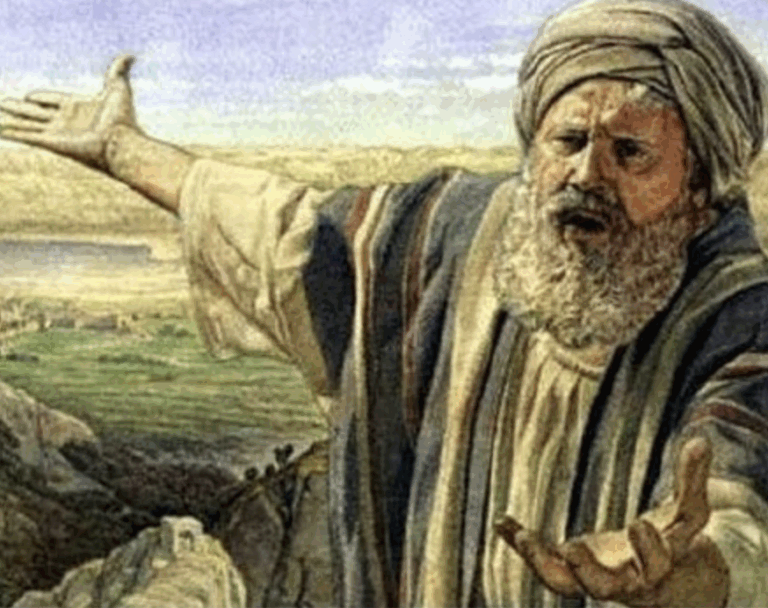
So, in his letter to the Galatians, Paul — himself a Jew, let’s remember — confronts the Jewish people in these communities about not eating with Gentiles. He begins by giving his bona fides as the most zealous of the keepers of Jewish law prior to his experience of the risen Christ.
Galatians 1:13-16 : You heard about my previous life in Judaism, how severely I harassed God’s church and tried to destroy it. I advanced in Judaism beyond many of my peers, because I was much more militant about the traditions of my ancestors. But God had set me apart from birth and called me through grace. God was pleased to reveal God’s Son to me, so that I might preach about him to the Gentiles.
Paul then goes on to talk about an event that occurred soon after the Jerusalem Conference when Peter and Paul were both visiting the church in Antioch. The James referred to in this passage is the brother of Jesus, and James is definitely “militant about the traditions of his ancestors” — he believes that Jewish religious identity must continue to take precedence over any other identity. Also as the brother of Jesus, James has a lot of power in this growing movement.
Galatians 2: 11-14: But when Peter came to Antioch, I opposed him to his face, because he was wrong. He had been eating with the Gentiles before certain people came from James. But when they came, he began to back out and separate himself, because he was afraid of the people who promoted circumcision. And the rest of the Jews also joined him in this hypocrisy so that even Barnabas got carried away with them in their hypocrisy.But when I saw that they weren’t acting consistently with the truth of the gospel, I said to Peter in front of everyone, “If you, though you’re a Jew, live like a Gentile and not like a Jew, how can you require the Gentiles to live like Jews?”
Paul argues that Mosaic food laws and other regulations must not interfere with fellowship with gentile believers. Jewish church members may remain observant and kosher outside the assembly, but they must not allow those observances to limit their interactions with Gentile believers. He’s saying: Ease up on your observance of the Law — set aside some of these cherished traditions and identity markers — when you are at these meals because there’s something more important going on here that’s also part of our Jewishness, which is the radically inclusive community of Jesus, the Jewish prophet.
What cherished traditions and identity markers are we called to give up to become a more radically inclusive community? What practices sacred to us do we need to ease up on because they are standing in the way creating a space of acceptance and belonging for everyone?
Back in 2020, I told the story of Shalom Mennonite Church, a sister congregation of ours in Tucson. Within the space of about one year, they went from being a largely middle-class white Mennonite congregation to being a multi-class, multicultural, multi-racial, multi-lingual church in which almost half of the folks were Congolese refugees or Spanish speakers and the other half were white. Here are some of the traditions and identity markers the white folks at Shalom Mennonite had to ease up on in order to become a more radically inclusive community:
- four-part hymn singing. They still sing hymns, but their musical diet is much more diverse now and includes a full 15 minutes of Congolese praise songs at the beginning of many services.
- English-only services. They now sing in English, Spanish and Swahili and they also sometimes have sermons in languages other than English. (Interpretation is offered at every service.)
- the length of the worship service. It got longer.
- a certain convenience and efficiency and comfort. Committee meetings made up of people who speak three different languages take longer and are more cumbersome. Documents have to be translated into different languages. The work of intercultural communication even beyond language difference is complex and is not always comfortable. Missed communication happens and sometimes has to be repaired. All of this takes time and effort.
Of course, all of this seems more pertinent to our church as we become a more multi-cultural and multi-lingual community. We’re actually going to be talking about this more next week with some of our newest families who come from other countries, and I’m really looking forward to that.
You know, we don’t aspire to be a radically inclusive community because we are woke. And we don’t even aspire to this because we’re proponents of DEI. I’m for diversity, equity and inclusion but that phrase is a bit bloodless or corporate or something to me — it doesn’t really capture the beauty of the vision of the kindom of God that Jesus came to announce and enact.
That vision is: We, together, across the boundaries of difference, are the body of Christ. When we break those barriers and cross boundaries and do the work we need to do to create beloved community, we become a healing presence in the world, we show how to live in right relationship. Paul puts it this way just a few verses later in our passage: “If you belong to Christ (to this body of Christ), then indeed you are Abraham’s descendants, heirs to the promise.” And that promise from God is: I will bless you, and you will be a blessing to all the families of the earth. Amen.